
Conditions Treated

Sports Medicine
Dr. Tran is a functional sports medicine podiatrist in Brandon, Florida, who has many years of experience dealing with sports-related problems, utilizing the most advanced conservative and non-surgical options. Through comprehensive, patient-centered care and science-based approaches, he has helped many relieve pain and resume an active lifestyle.
Some of the most common general and sports medicine-related issues that Dr. Tran will address include:
- RAnkle and Foot Sprains
-

Ankle Instability
Chronic ankle instability is usually caused by repeated ankle sprains and is described as the gradual giving way of the outside of the ankle. Some symptoms of ankle instability include constant inflammation or swelling, tenderness, and instability in the ankle. After a sprained ankle, the ligaments become stretched and torn. Proper rehabilitation is required to strengthen the muscles around the ankle and rehabilitate the tissues within the ankle that affect your balance. In addition, physical therapy, medications, and bracing can help treat chronic ankle instability. Failure to do so may result in repeated ankle sprains, or possibly surgery.
- RArthritis
-

Athlete’s Foot
Athlete’s foot (tinea pedis) is a specific type of fungal infection that typically begins between the toes. A common cause of athlete’s foot is sweaty feet that are confined to tight shoes for a long period of time. Signs and symptoms of athlete’s foot include a scaly rash that usually causes itching, stinging and burning. Athlete’s foot is contagious and should be carefully monitored and treated. Athlete’s foot can easily be treated with antifungal medications, but the infection is likely to recur. Prescription medications also are available.
-
Bunions
A bunion is a bony bump that forms on the joint at the base of your big toe. They can develop from an inherited structural defect, excess stress on your foot, or can result from an existing medical condition.
For the most part, bunions require no medical treatment. However, if you are experiencing one or more of the following, a podiatrist can help alleviate your symptoms.
- RContusion
-

Corns, Calluses, Painful Bumps
While corns can be found on the bottom of the foot where pressure is usually applied, it is more common that you find corns on the tops and sides of your toes and even between your toes. When pressure is applied, corns can cause significant pain and discomfort. Calluses, on the other hand, don’t usually cause pain. They usually develop on the soles of your feet, especially under the heels or balls, on your palms, or on your knees.
- RDiabetic Neuropathy
- RDislocations
-
Flat Feet
Flat foot is a condition where the arches on the inside of your feet are flattened which causes the sole of the foot to touch the floor when standing upright. It is likely for flat feet to be caused by the arches not fully developing during childhood and is considered a very common and painless condition. On the other hand, flat feet can occur after an injury or from the normal aging process.
While it is common not to experience any pain or symptoms of flat feet, some people do tend to sense pain in the heel or arch area. Physical activity can irritate the area and inflame the foot along the inside of the ankle. This can be caused by the tendon that is supporting the arch being stretched as it is depreciating.
-
RFractures
Foot Fractures
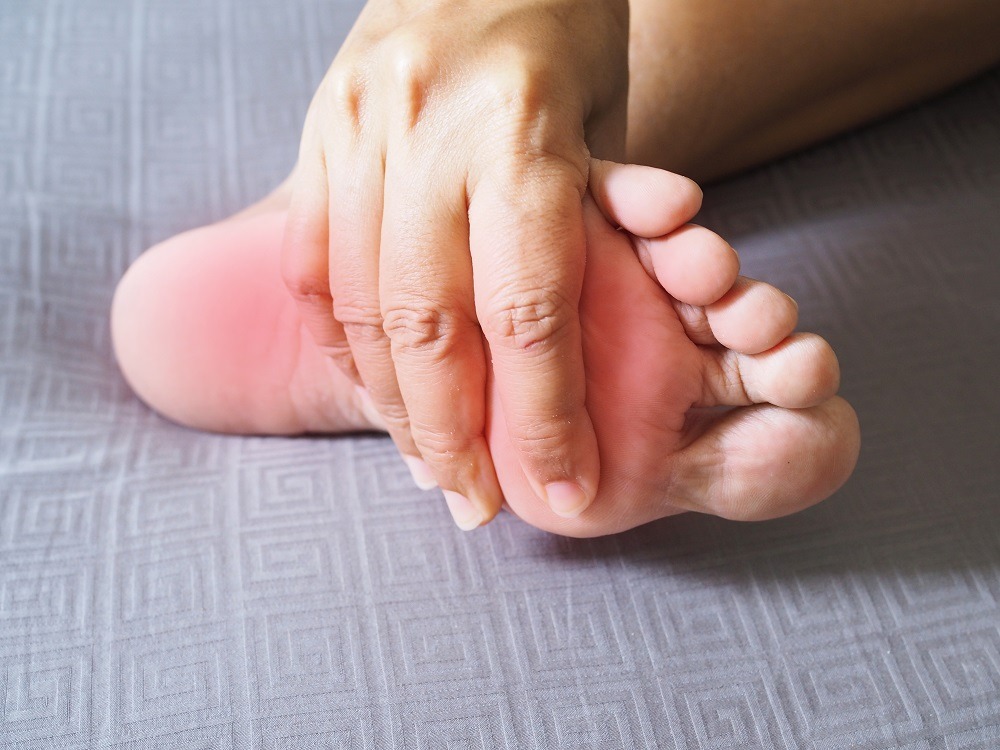
Since nearly one-fourth of the bones in our body are in our feet, fractures of the foot are common and rarely debilitating. There are two types of fractures. A stress fracture typically occurs in the space between the toes and middle of the foot, usually as a result of a physical activity gone awry. These fractures are only on the surface of the bone. General bone fractures extend through the bone. These injuries are usually caused by trauma to the foot.
Depending on the fracture and placement, different treatments will be discussed. Foot fractures typically heal on their own, although more serious cases may require surgery.
It is important to seek medical attention as soon as possible if you suspect your foot is fractured so treatment can begin right away.
- RGait Abnormality
-
RHammer Toes
Hammer Toes
Hammertoe is a deformity where one or both joints of the second, third, fourth or fifth toes begin to bend outside of their normal alignment. Pressure can begin to weigh heavy on the toes as you wear shoes which is where pain and other symptoms develop.
Hammertoes typically begin with small symptoms and deformities and continue to worsen with time. In its beginning stages, hammertoes are often impressionable which means they can be controlled using minimal treatment. It is important to know the signs of hammertoes to get them evaluated early. If left untreated, hammertoes can become more firm and difficult to manipulate, requiring surgery. -
RHeel Spur Syndrome
Heel Spur Syndrome
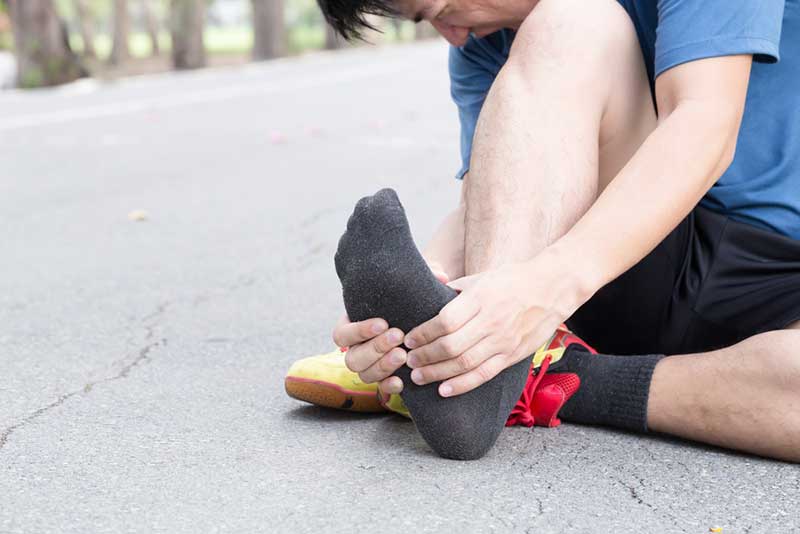
Heel spurs occur in at least 50% of people who have plantar fasciitis. Past treatments for heel spurs, a bony growth that begins on the front of your heel bone and points toward the arch of your foot, included surgery to remove the growth. Nowadays, surgery is rarely a treatment option and more plans for physical therapy, ice, and pain medications are used to treat heel spurs.
-
RIngrown and Infected Toenails
Ingrown and Infected Toenails
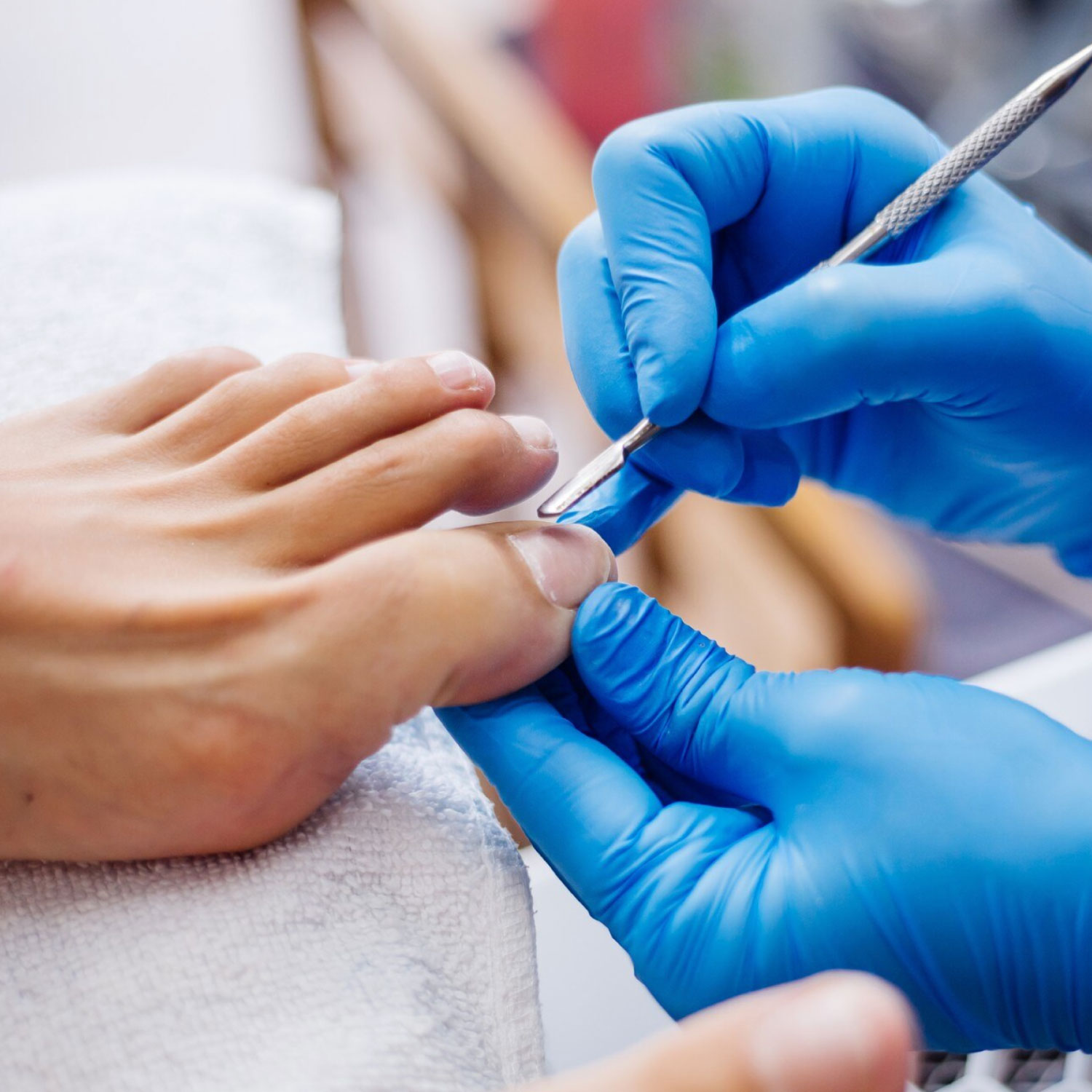
We have all made the painful mistake of trimming our nails too short at some point in our lives. Sometimes, this can really affect our foot health by causing ingrown toenails.
This happens when the nail grows downward into the skin instead of straight out, usually causing an infection. Ingrown toenails are most common on the sides of the big toe. It can also be caused by shoe pressure, injury, fungal infections, poor foot structure, etc.
Warm water soaks several times a day, properly fitted shoes and socks, and trimming nails in a straight line (rather than rounded) are ways to treat and prevent painful ingrown toenails. If there is an infection, antibiotics may be prescribed.
- RInjuries and Trauma
- RJoint Pain
-
RNeuromas
Neuromas
A neuroma can occur in many areas of the body when nerve tissue thickens. Morton’s neuroma is the most typical neuroma that occurs in the foot and it occurs between the third and fourth toes. Also known as an intermetatarsal neuroma, the name describes its location in the ball of the foot.
Compression and irritation typically cause the nerve tissue to thicken. This pressure creates inflammation of the nerve, ultimately causing untreatable damage to the nerves in the foot.
- ROnychomycosis
- RPediatric sports injuries
- RSweaty Feet
- RSwelling
- RTarsal Tunnel Syndrome
- RTendonitis
- RUlcers
- RVascular Issues
-
RWarts

Warts
Plantar warts are caused by the HPV virus and cause tiny cuts and breaks on the bottom of your feet.
While most plantar warts are not a major health concern, it is advised you see a doctor to have the warts examined and removed. Some symptoms include small, rough lesions on the base of the foot, calluses in one spot, and tenderness when walking or standing for long periods of time.
Dr. Tran will offer the best individualized options, including the following:

Integrative Medicine
Dr. Tran is an integrative healthcare professional who has years of experience combining traditional medicine with evidence-based complementary medicine to holistically address the whole person, emphasizing the best alternative therapies and healing modalities to promote optimal health and well-being. Dr. Tran believes in the natural, non-invasive approaches to restoring optimal health, without side effects. He will evaluate and come up with a personalized treatment plan specifically for the individual’s health concern.

Functional Medicine
Dr. Tran is a certified functional medicine practitioner through The Institute for Functional Medicine (www.ifm.org) who focuses on the complex interactions of the patient’s lifestyle, internal and external factors, and physiology to get to the root causes of dysfunctions and the connection to the lower extremities’ total functioning.
Dr. Tran has extensive training in specialized coursework for the following health concerns:
- RAdrenal, Thyroid, & Pituitary Health
- RBone, Skin, & Muscle Health
- RCardiovascular Health
- RChronic Fatigue & Chronic Pain
- RDementia & Cognitive Decline
- RDiabetes & Metabolic Syndrome
- RFood Sensitivities, Intolerances, & Allergies
- RGut & Microbiome Health
- RHormone Testing
- RImmune Health & Autoimmunity
- RInfections & COVID-19
- RLaboratory Tests
- RMental Health
- RMetabolic Health
- RNutrition, Health, & Wellness
- RPediatric Health
- RToxins & Detoxification
Dr. Tran will combine traditional (Western) medical practices with integrative medicine, focusing on prevention through nutrition, diet, and exercise. Utilizing the evidence-based laboratory testing and other diagnostic techniques, and prescribing combinations of supplements, stress-management techniques, therapeutic diets, or detoxification programs, to improve overall health conditions. He will also consult with other specialists to provide a team approach to patient-centered care.